VIVA SAO JOAO:
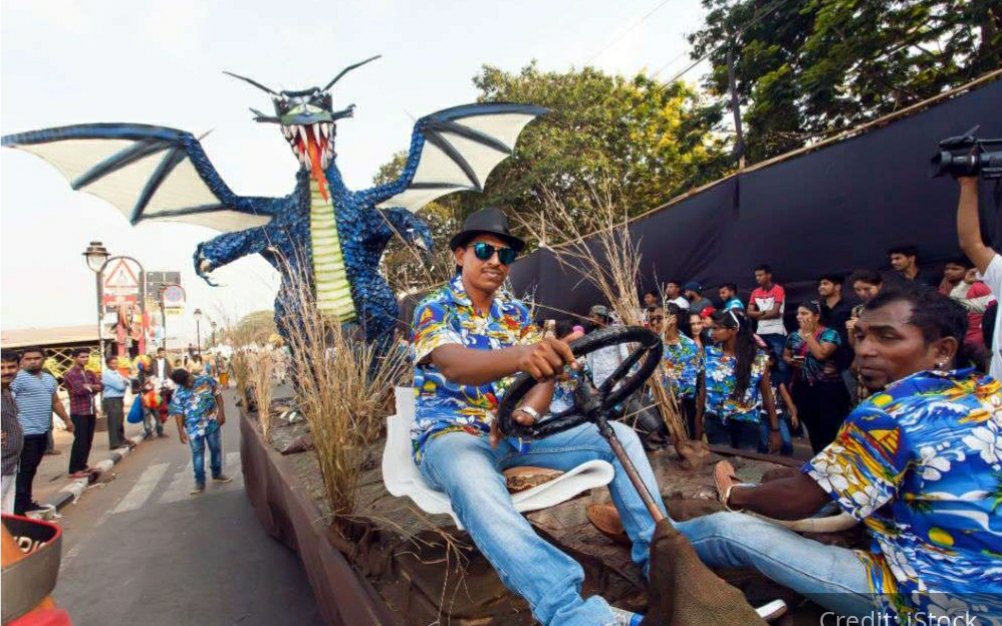
As the third week of June arrives, the Goans are ready to jump in the wells literally. They are not doing it for any wrong purpose, but to fish out the gifts hidden there, on the very special occasion of Sao Joao . It is the festival that celebrates the feast of St. John the Baptist. According to the Catholic Association the feast is celebrated on 24th June every year. This festival is celebrated with a great pomp and showoff , by the Goans during the monsoon season. The wells are full of water around this time of the year. The festival brings about loads of fun among youngsters, aged, adults, and most enthusiastically to the kids. People enjoy jumping in the wells, in rivers or just dancing in the pouring rains. It could well be a rain festival of Goa. It happens in almost all villages of Goa around their wells, rivers ,canals or ponds. On the feast day, villagers begin the day by taking a plunge in the village wells singing Sao Joao . The highlights of the day is the Sangodd ,on which people parade singing Mandos and religious hymns. The Sangodds are uniquely decorated and members of that sangodd wear uniform dress to distinguish themselves from other groups. This is also a time to celebrate one’s spirit of adventure
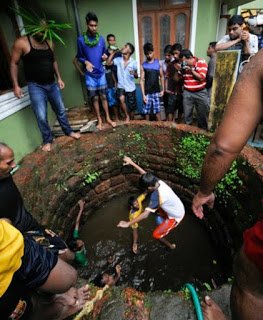
The young men’s jump in the wells to retrieve gifts thrown in by the villagers. People especially the new married or those with a new born babies gather with the dali and gifts containing seasonal fruits like mango ,pineapples ,jackfruits and a bottle of feni.
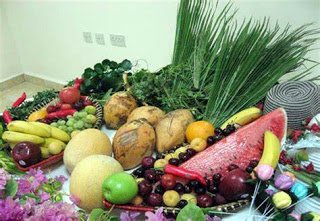
Fruits used in sao joao
HISTORY:
This festival has been the tradition since our ancestors grandparents probably during or after the rule of portuguese in Goa. As per the Holy Bible story, the feast was originated when mother Mary , who was bearing Jesus visited Elizabeth (Mother of St. John the Baptist) while he was in his mothers womb.
This occasion made him bound with joy . Later in river Jordan , Jesus Christ was Baptised by St. John the Baptist.
Sao Joao is a feast celebrated by the people of Benaulim and is mostly celebrated in South Goa.
Some coastal area villages such as Anjuna, Calangute, Bardez Taluka’s like Siolim and Vagator , grandly celebrate the Sao Joao festival in North side. The village of Siolim is famous for its Sao Joao celebrations, as it hosts a boat festival as well.
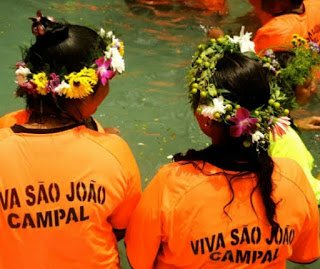
Wearing coronet of wild flowers
The young and old alike sing and dance to the beat of the ghumot , with lovely coronets of seasonal wild flowers on their heads and drenched to the bone with feni.
EXPERIENCING THE FESTIVAL.
In my personal experience , I never had so much fun in a festival like this the way I had a few years back. In 9th std. my friends tution teacher had organised a Sao Joao celebration for them. My friend was so excited that she even invited me to join them. I didn’t know anything about this festival this festival as it was the first time I ever went like this. It began with a small prayer service. After that was the breaking of the coconuts, we had fun breaking the coconuts. The teachers had made beautiful tiaras called ‘Koples’ and gave us to wear them.
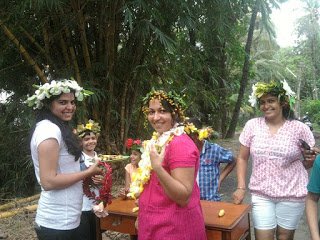
Feeling togetherness among each other
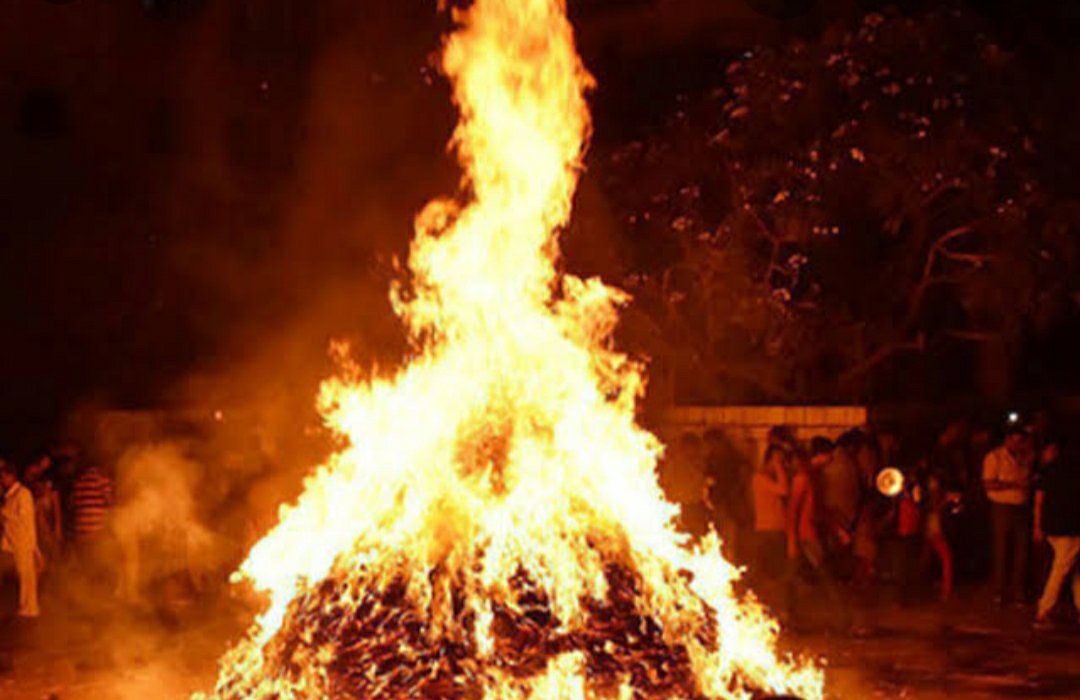
Another interesting version I have heard of this ritual is that the burning of hay (or trash lately) symbolises the burning of Judas the Jew, thus referred to as Judeo. I also heard another story that links this practice to the pagan midsummer ritual in Europe of burning trash and making fires that could drive away dragons from poisoning springs and wells and to frighten the evil spirits. Like I said earlier, it often happens that the the rituals practiced for generations after generations lose their context somewhere along the way and yet the symbols they represent live on. It’s all so incredibly fascinating!
She even conducted games and spot prizes and gave us various gifts. Afterwards it was the turn to jump in the wells. The boys wasted no time and immediately started jumping in the well. One after another screaming ‘O! re Sao Joao’. It was really fun to watch them. Later we played music and danced and sang together and really enjoyed ourselves.

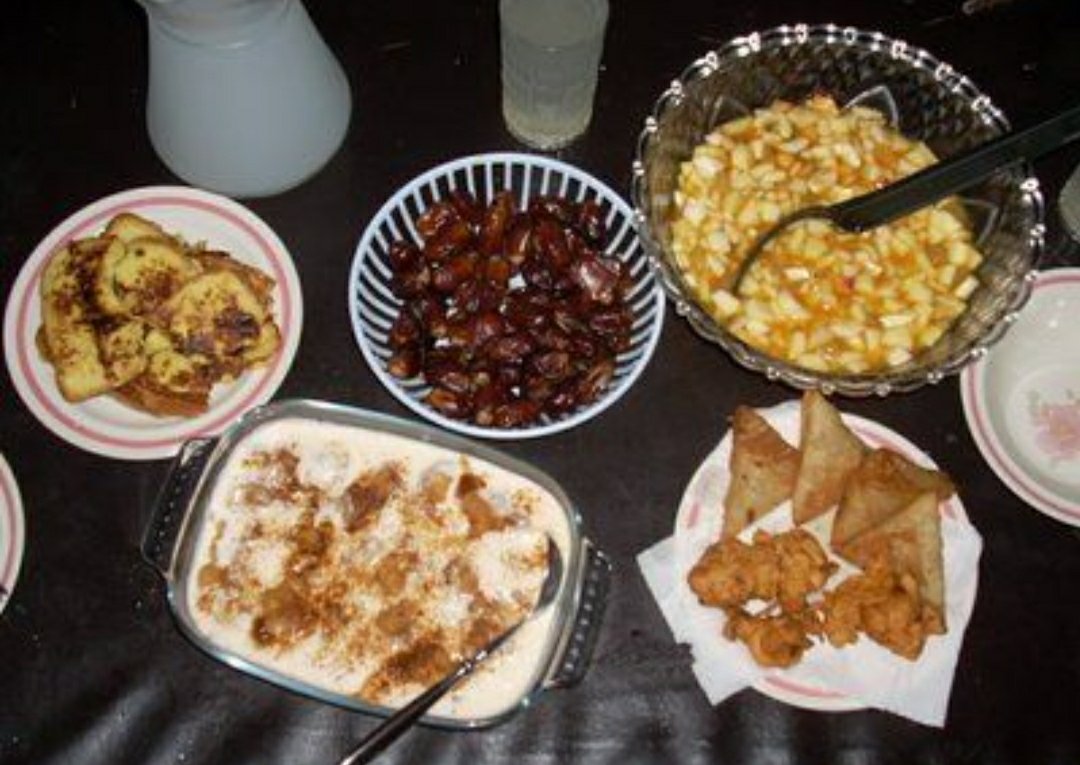 Dates are eaten to break the fast. prophet mohammad broke his fast in this tradition . This day is celebrated with the must namaz in the morning. The namaz of eid is performed at the eidgah or masjid.A special kheer is prepaid at this day which is called as shir khurma and biryani is also as important as shir khurma.
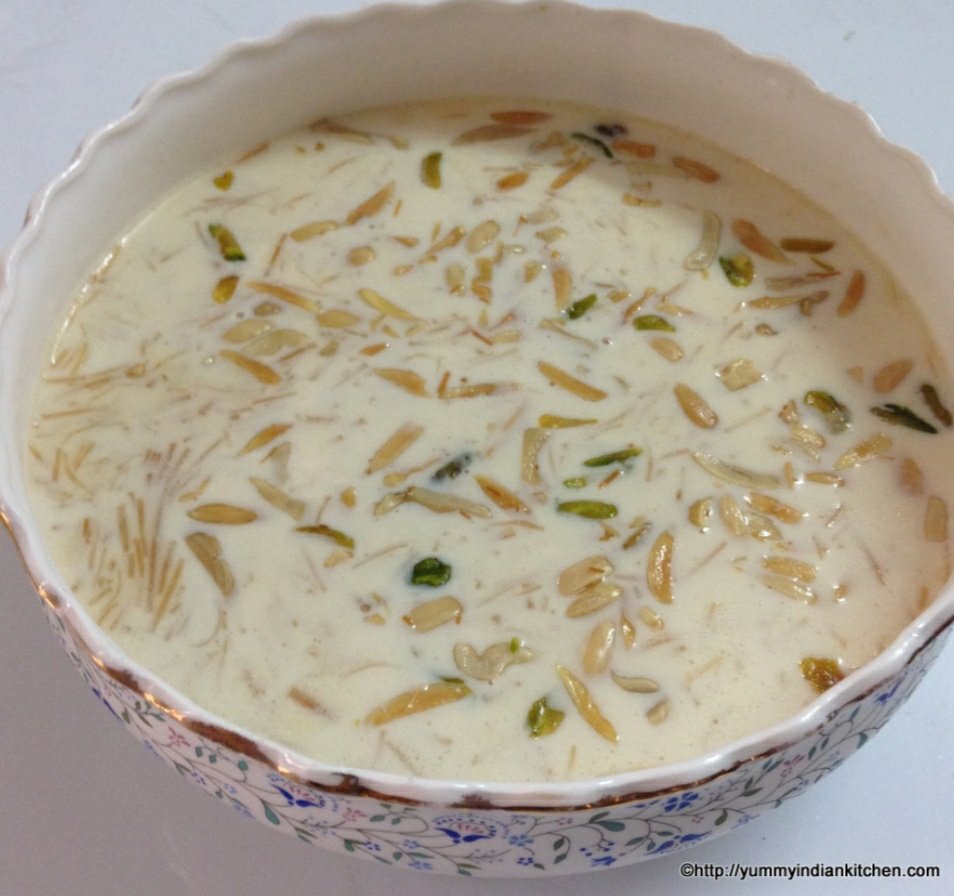 People greet at different houses to wish eid greetings to their relatives. Muslims celebrate this festival with very joy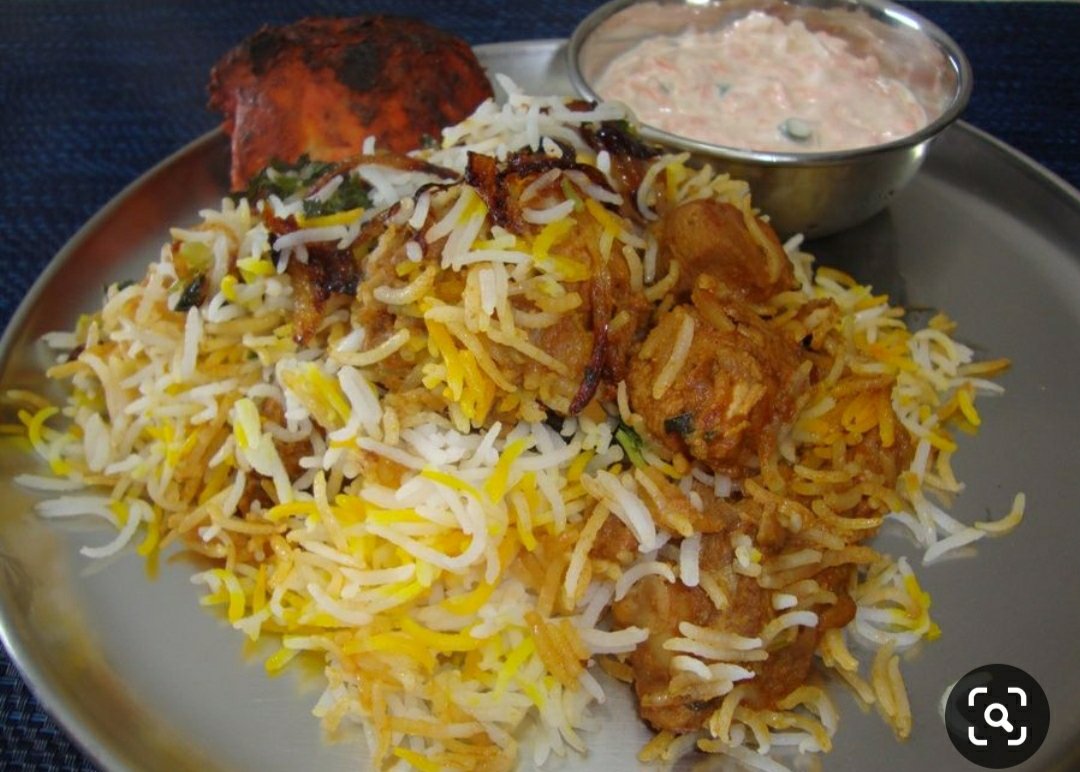

 GOA DE FESTIVAL